
AMD Ryzen 7 9800X3D Review
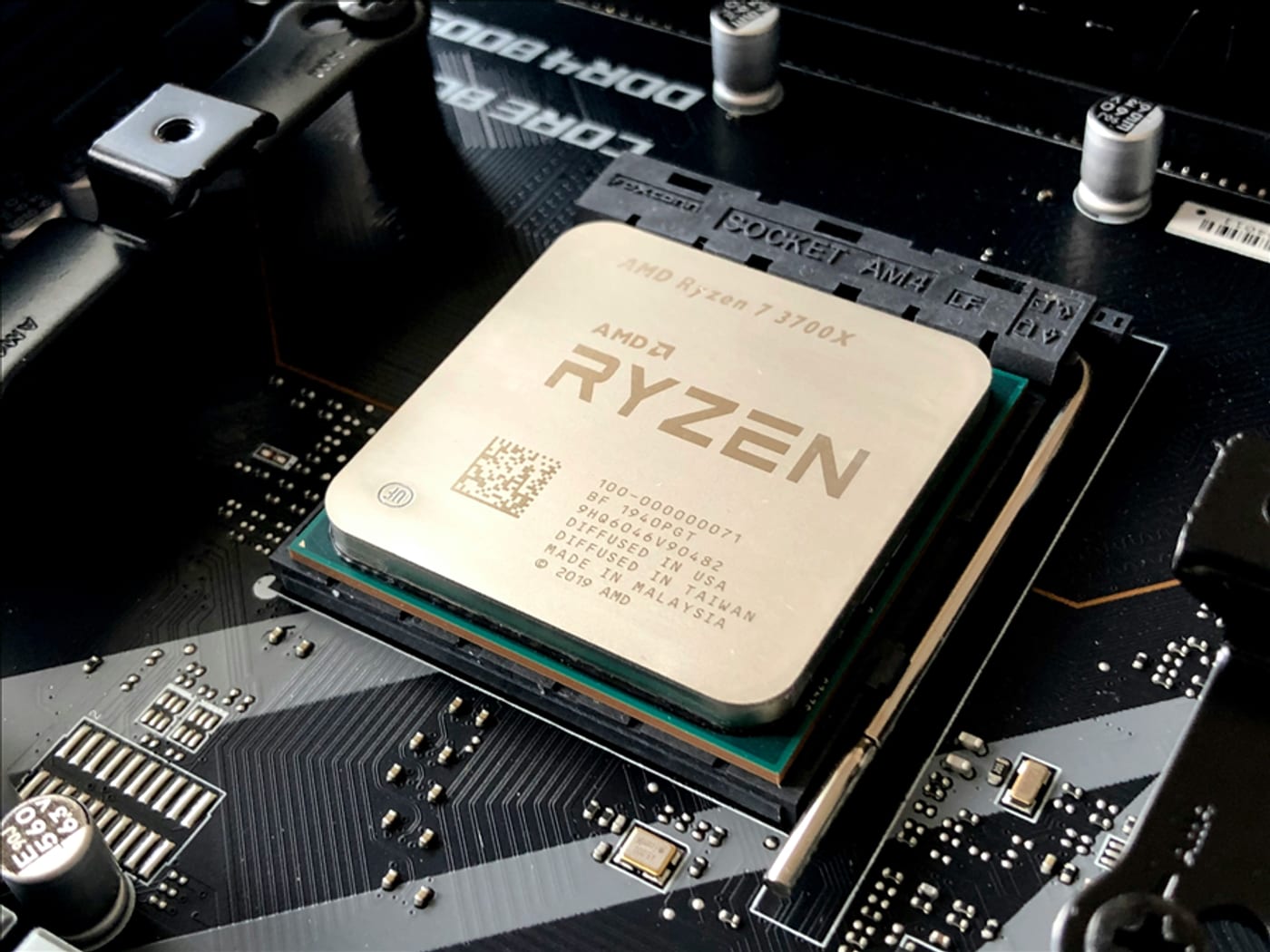
The Ryzen 7 9800X3D has held the gaming CPU crown since launch, and in 2026 it still does. AMD took the legendary 7800X3D and gave it a clock-speed unlock — the 3D V-Cache is now stacked under the cores, which means the chip can boost higher than its predecessor without cooking itself. The result is a CPU that's faster in games than everything, while staying cool enough for air cooling. But at 1,800+ AED in the UAE, is it worth it over the 7800X3D or the 9600X? Let's dig in.
Specs at a glance
| Ryzen 7 9800X3D | Ryzen 7 7800X3D | |
|---|---|---|
| Cores / Threads | 8 / 16 | 8 / 16 |
| Boost clock | 5.2 GHz | 5.0 GHz |
| 3D V-Cache | 96MB L3 (total) | 96MB L3 (total) |
| TDP | 120W | 120W |
| Platform | AM5 | AM5 |
| Cooler included | No | No |
Gaming performance — the headline
We tested the 9800X3D with an RTX 5080 across 12 titles at 1080p and 1440p (CPU-bound settings, because that's where CPUs show their difference). At 1080p, it beats the 7800X3D by 8–12% in most games and the 9600X by 15–25%. The gap is biggest in simulation and strategy titles — think Factorio, Civilization VII, Flight Simulator — where the extra cache transforms frame rates. In Counter-Strike 2 and Valorant, it's the only CPU we've tested that consistently holds 500+ FPS.
At 1440p with a high-end GPU, the lead shrinks to 3–7% over the 7800X3D — still the fastest, but the difference is less dramatic. At 4K, forget it: you're GPU-bound and any mid-range modern CPU will keep up. If you play at 1440p or 4K, the 9800X3D's advantage is real but subtle; if you're a 1080p high-refresh competitive player, it's the difference between 400 and 500 FPS in your favorite shooter.
Productivity — better than expected
The clock unlock made the 9800X3D a genuinely competent all-rounder. It won't beat the 16-core 9950X in rendering, but it matches the 7700X in video editing and compile workloads, which is a huge improvement over the old 7800X3D's mediocrity outside games. For a gaming-first machine that also does occasional creative work, you no longer need to compromise.
Thermals and power
Here's the surprise: despite the performance, the 9800X3D is easy to cool. A solid dual-tower air cooler or a 240mm AIO keeps it under 80°C under load — the cache-under-cores design spreads heat better than the previous generation. In Dubai summer ambient (28–30°C room temp), it still runs fine with good case airflow. Power draw peaks around 130W, which means the 750W PSU in a typical 1440p build has plenty of headroom.
Is it worth it in the UAE?
Here's the honest breakdown at current UAE prices:
- vs 7800X3D (save ~400–500 AED) — at 1440p+ the difference is 3–7%. The 7800X3D is the smarter buy unless you're chasing every frame at 1080p or play cache-hungry sims.
- vs Ryzen 5 9600X (save ~1,000 AED) — the 9600X delivers 80% of the gaming performance for half the price. For most builders, the savings are better spent on a GPU.
- vs Core Ultra 7 265K (similar price) — the 9800X3D wins gaming by a mile; the 265K wins productivity and runs cooler. Choose by workload.
Pros and cons
Pros
- Fastest gaming CPU money can buy
- Huge gains in sim/strategy games
- Runs cool, easy to cool
- Decent productivity now, too
- AM5 = long upgrade path
Cons
- Expensive — often 2x a 9600X
- No stock cooler included
- Gains shrink at 1440p/4K
- Overkill for budget/mid GPUs
Verdict
The Ryzen 7 9800X3D is the best gaming CPU of 2026, full stop. But "best" and "right for you" are different questions. If you're pairing it with anything below an RTX 5080, or playing at 1440p or above, the money is better spent elsewhere. If you're building a no-compromise 1080p/240Hz competitive machine or a sim-racing/Flight Sim rig with a top-tier GPU — this is the one. It's a halo product that earns its halo, just not for everyone.